
RESOURCES
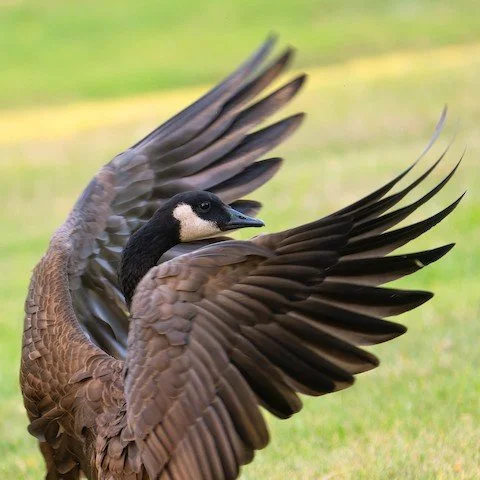
Canada Goose, Stephen Hurst
There has been a decline of 3 billion birds in North America since 1970 – a 30% decrease. The front lines of conservation for birds are found where people live – our own backyards. There are a number of ways you can help birds at home - or at your place of business. Activities people can do to help and enjoy birds include providing bird-friendly landscaping at home and work; installing safe and appropriate bird houses, water sources, and feeders; controlling cats so they don’t kill birds; reducing the use of pesticides; and designing bird-friendly buildings.

Providing Habitat

Help Birds Thrive in Lake County!
You can make a big difference for birds, right in your own yard! By planting locally native plants, you’ll create habitat that supports both birds and the insects they depend on for food. Native plants provide year-round benefits, offering leaves, fruits, nuts, seeds, and nectar that sustain birds through every season—breeding, nesting, migration, and winter.
Why bugs matter:
Ninety-six percent of terrestrial birds feed their young only insects while in the nest. That means native caterpillars and other insects are essential for the successful breeding and rearing of young birds in spring and summer. Later in the year, berries, seeds, and nuts become vital sources of food—especially during migration. Nectar nourishes hummingbirds and pollinators alike.
Getting started:
The simplest way to make your yard more bird-friendly is to start adding native plants to your existing landscape. You can begin small—convert one garden bed or section each year—or go big by replacing areas of turfgrass with native flowers, shrubs, and trees. Remember, shrubs and trees provide both food and important nesting and shelter sites.
Resources to help you plan:
The National Audubon Society, Cornell Lab of Ornithology, and Wild Ones all offer excellent guides to selecting the best native plants for your region and creating bird-friendly gardens.
Learn more about the best plants to attract birds to your yard!
Click here to download a spreadsheet with information on plants that attract specific bird species.
-
-
https://www.lcfpd.org/plant-sale/?gclid=EAIaIQobChMIhLyLu7n49QIVIv7jBx3EwwKqEAAYASAAEgJPxPD_BwE
https://openlands.org/get-involved/lands-in-harmony/four-projects-to-improve-your-land/add-attractive-natives/
https://citizensforconservation.org/cfc-events/spring-native-plant-sale/
https://citizensforconservation.org/cfc-events/fall-native-tree-and-shrub-sale/
Sedge Wren and gray-head coneflower, Trisha Snider, Audubon Photography Awards
Feeding Birds

Baltimore Oriole and Rose-breasted Grosbeak. Photo: Melissa Groo, Audubon
Backyard bird feeding is one of the easiest and most rewarding ways to support birds while enjoying close-up views of wildlife throughout the year.
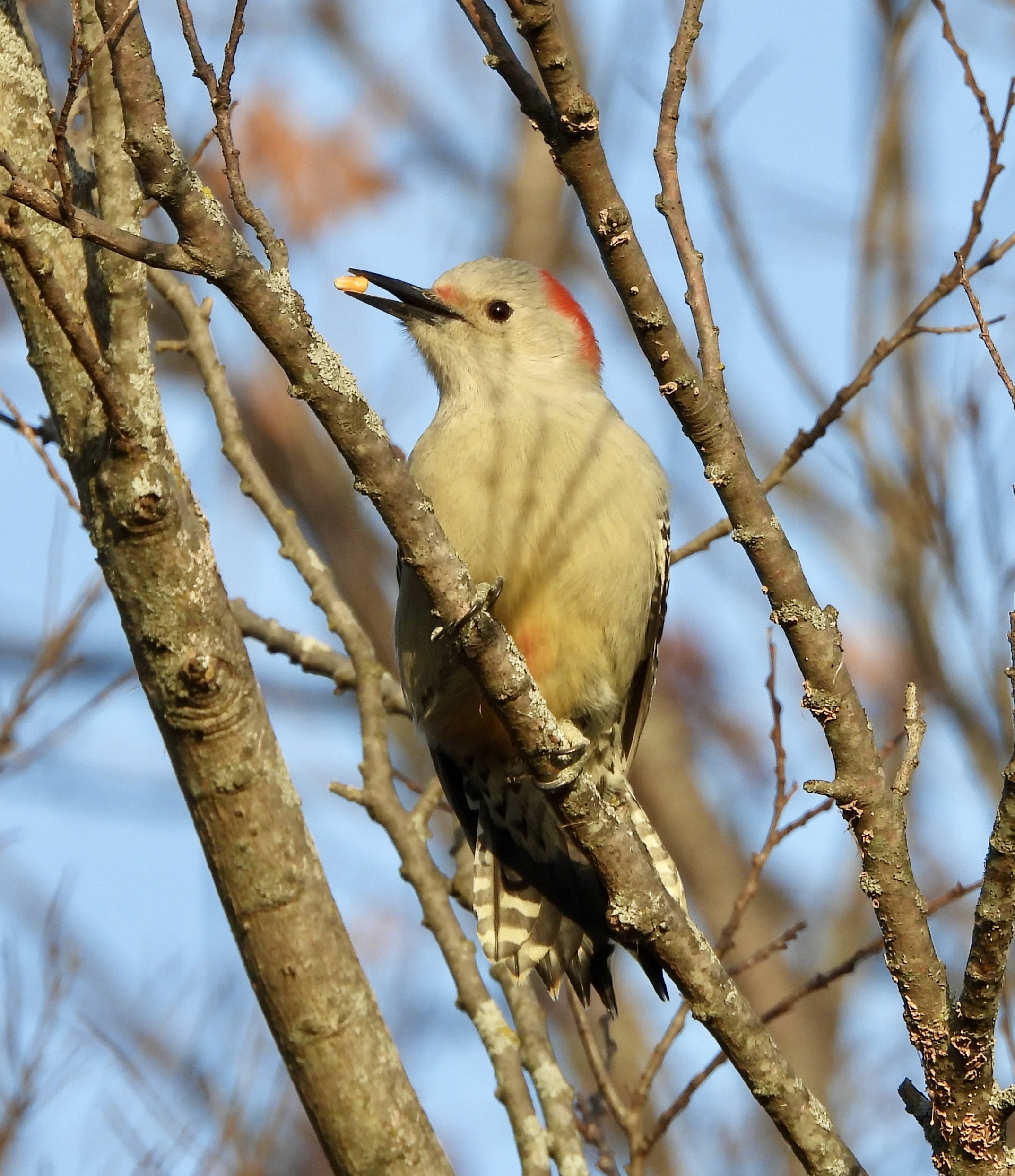
Backyard bird feeders can provide birds with valuable energy during nesting season, migration, and the colder months when natural food sources may be limited. Supplying the right types of food will help attract a wider variety of desirable birds. For example, cardinals prefer sunflower and safflower seeds, while goldfinches are especially fond of nyjer (often called thistle) seed.
Not all mixed wild bird seed blends are ideal. Some mixes contain filler seeds that many birds do not eat, and lower-quality seed can spoil quickly or attract invasive species that make it harder for native birds to access feeders.
Some birds that visit our yards rarely eat traditional birdseed. Fruit-loving species such as robins, waxwings, bluebirds, and mockingbirds are more likely to visit feeders offering fruit. To attract these birds, soak raisins or currants in water overnight and place them on a platform feeder, or purchase specialized blends that contain dried fruit. Orioles, grosbeaks, and tanagers can often be attracted by skewering halved oranges on a spike near feeders or by providing nectar feeders.
Observing birds at your feeders provides a wonderful opportunity for you and your family to learn about the natural world. As you watch regularly, you’ll begin to recognize different species by their markings, behaviors, and songs, and you may notice how these change with the seasons. If you enjoy photography, backyard feeders can also provide wonderful opportunities to capture birds and other wildlife right outside your window.
Birds can also play an important role in keeping your landscape healthy. Many species that visit feeders also eat insects in your yard, helping to provide natural pest control. Some birds also assist with pollination, contributing to healthier plants and more vibrant, bird-friendly gardens.


-
Clean feeders and bird baths regularly to avoid spreading diseases.
Birds need open water all year for drinking and bathing. This is important especially in the winter when most water is frozen. Using a low-voltage heater in your bird bath will help.
Take additional steps to keep birds as safe as possible by providing predator control. Use a baffle or other device to keep unwanted pests such as squirrels and raccoons from your feeders.
Keeping your backyard feeders filled with nutritious food all year long will keep the birds coming back.
-
Pesticides and Their Impact on Birds and Wildlife

Monarchs on Milkweed, Lisa Draper
Pesticides designed to control insects, weeds, and other unwanted organisms can have significant unintended impacts on birds, wildlife, pollinators, and human health.
DDT, neonicotinoids, and glyphosate (commonly known as Roundup) are familiar names of pesticides used to improve human activities such as lawn care, agriculture, and outdoor recreation. While these chemicals are intended to control specific pests, their use can also affect many other organisms.
Exposure to pesticides may cause illness, genetic changes, and death in humans and other forms of life, including pets and wildlife. Non-target insects—such as pollinators and other beneficial insects that serve as an important food source for birds—are often killed by pesticide applications. In addition, pesticides can contaminate soil and waterways, further affecting ecosystems.
Wildlife may encounter pesticides in several ways. Animals can be exposed when they come into contact with treated areas, consume contaminated plants or insects, or drink polluted water. During pesticide applications, hidden nests, young birds, and prey animals may be directly exposed. Even when animals are not directly poisoned, pesticides can destroy the plants and insects that provide critical habitat and food sources, ultimately affecting bird and wildlife populations.
Research has shown strong links between pesticide use and declines in bird populations. A 2013 study by scientist Pierre Mineau, PhD, identified pesticide use as the single most important indicator of grassland bird declines in the United States. The study found that the strongest predictors of bird declines were lethal pesticide risk, insecticide use, and the loss of cropped pasture.
-
https://www.beyondpesticides.org/programs/wildlife
https://www.uky.edu/Ag/Entomology/PSEP/6environment.html#
https://www.beyondpesticides.org/programs/bee-protective-pollinators-and-pesticides/bee-protective
https://extension.psu.edu/potential-health-effects-of-pesticides
https://extension.psu.edu/toxicity-of-pesticides (organized charts of various types of pesticides)
https://byjus.com/chemistry/pesticides/ (offers classes on related topics)
What You Can Do
Keep cats indoors. Indoor cats live longer, healthier lives and do not pose a threat to wildlife.
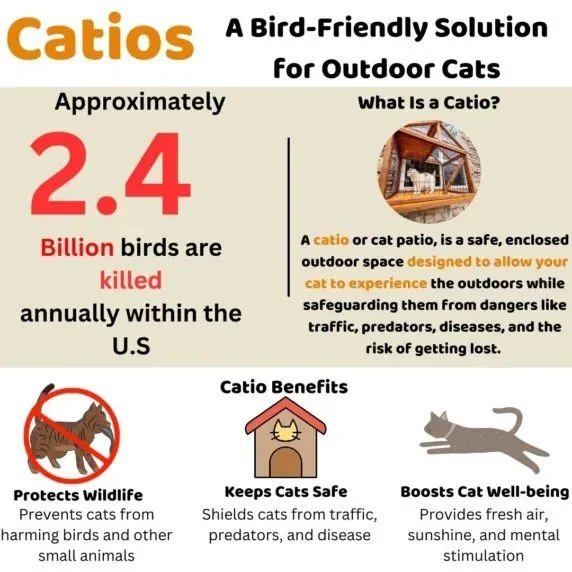
Build or install a catio. Enclosed outdoor spaces allow cats to safely enjoy fresh air and sunshine.
Support local wildlife. Protect nesting birds by reducing threats such as free-roaming pets, pesticides, and habitat loss.
Share the message. Encourage friends and neighbors to keep their cats indoors for the benefit of both wildlife and their pets.
Learn More
American Bird Conservancy – Cats and Birds program
Cornell Lab of Ornithology – Resources on protecting birds
National Audubon Society – Information on responsible pet ownership and wildlife protection.
Bird Conservation Network - BCN Position on Free-roaming Cats
Cats and Birds
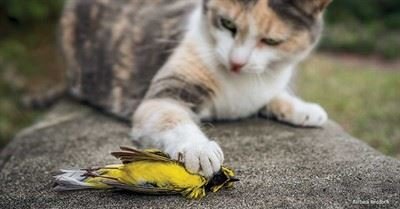
Free-roaming domestic cats are one of the leading human-related causes of bird mortality in North America.
It is estimated that domestic cats kill between 1.3 and 4 billion birds in North America each year. Ground-nesting birds are especially susceptible to predation by cats. Young birds preparing to fledge from higher nests are also vulnerable, as they often spend time on the ground while learning to fly.
Even well-fed cats will hunt small wild animals, including birds. Many birds caught by cats but not killed outright will later die from their injuries or infection. In addition to direct predation, cats can also affect food availability for larger birds such as owls and hawks by killing small rodents that are an important food source.
Keeping your pet cat indoors will likely increase its lifespan considerably, as indoor cats generally live much longer than outdoor cats. Outdoor cats are at risk of being struck by vehicles, attacked by other animals, or exposed to contagious diseases.
If you feel that living entirely indoors may limit your cat’s quality of life, consider providing a “catio.” Catios are enclosed outdoor spaces that allow your cat—or other small pets—to enjoy time outdoors while remaining safe and preventing harm to birds and other wildlife.
Keeping cats indoors protects birds, wildlife, and the cats themselves.
Building Design

According to the American Bird Conservancy, “collisions with buildings are second only to domestic cats as direct fatality threats to birds. Nearly one-third of the bird species found in the United States—more than 258 species, from hummingbirds to falcons—are documented as victims of collisions. Collisions kill all categories of birds, including some of the strongest, healthiest birds that would otherwise survive to produce offspring.”
Problems are created and resolved by building design, building size, orientation, and siting as well as lighting at night and use of glass. There are remedies to reduce bird collisions with glass including manufacturing patterns within glass on large buildings, reducing reflection and transparency and illusions of safe passage in construction design.
Shown here: FEATHER FRIENDLY® BIRD COLLISION DETERRENT MARKERS
-
-
-
https://www.audubon.org/news/what-does-bird-safe-glass-even-mean
https://abcbirds.org/blog20/make-windows-safe
https://abcbirds.org/glass-collisions/products-database/
http://www.birdmonitors.net/Products.php
https://abcbirds.org/wp-content/uploads/2017/04/Save-birds-2017.pdf
https://abcbirds.org/glass-collisions/stop-birds-hitting-windows/
Injured Birds

Mourning Dove at a professional rehabilitation center. Photo: Camilla Cerea/Audubon
If you find an injured bird, go to Flint Creek Wildlife’s website for instructions on what to do, whether it is a window strike, a baby bird fallen from a nest, or other calamities that may have impacted our feathered friends. There are detailed instructions on how to proceed. You may save a life!